July 2026

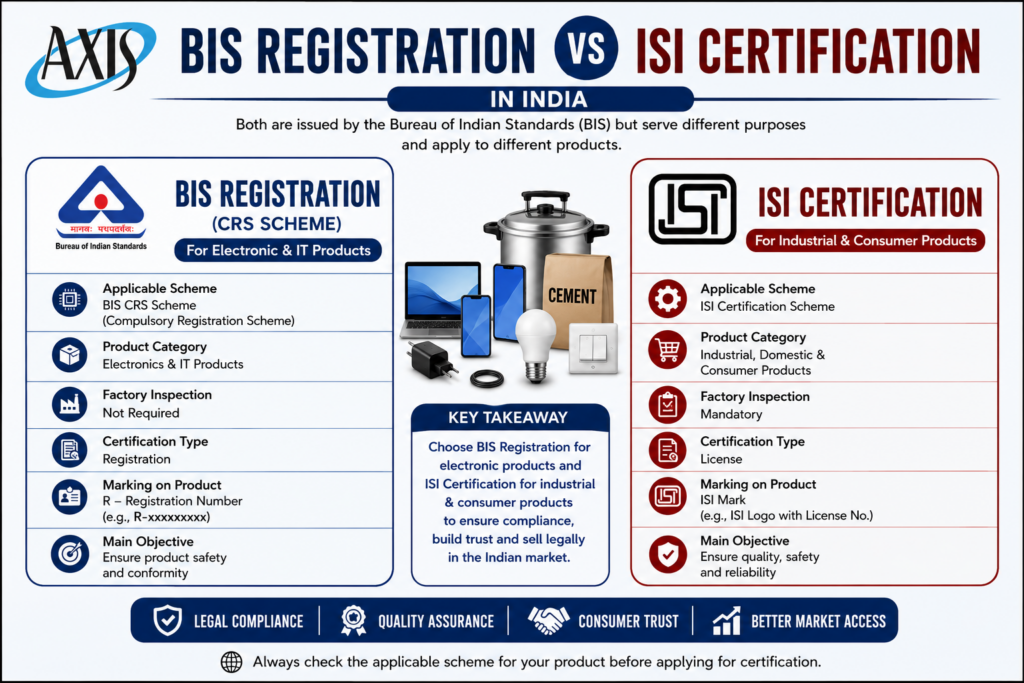
BIS Registration vs ISI Certification in India

BIS Registration vs ISI Certification in India

For manufacturers, importers, and brand owners, understanding BIS Registration vs ISI Certification in India is crucial before launching products in the Indian market. Both certifications are issued by the Bureau of Indian Standards (BIS), but they apply to different product categories and follow distinct approval procedures. India’s product quality regulations have become increasingly stringent to […]

BIS Registration vs ISI Certification in India Read More »
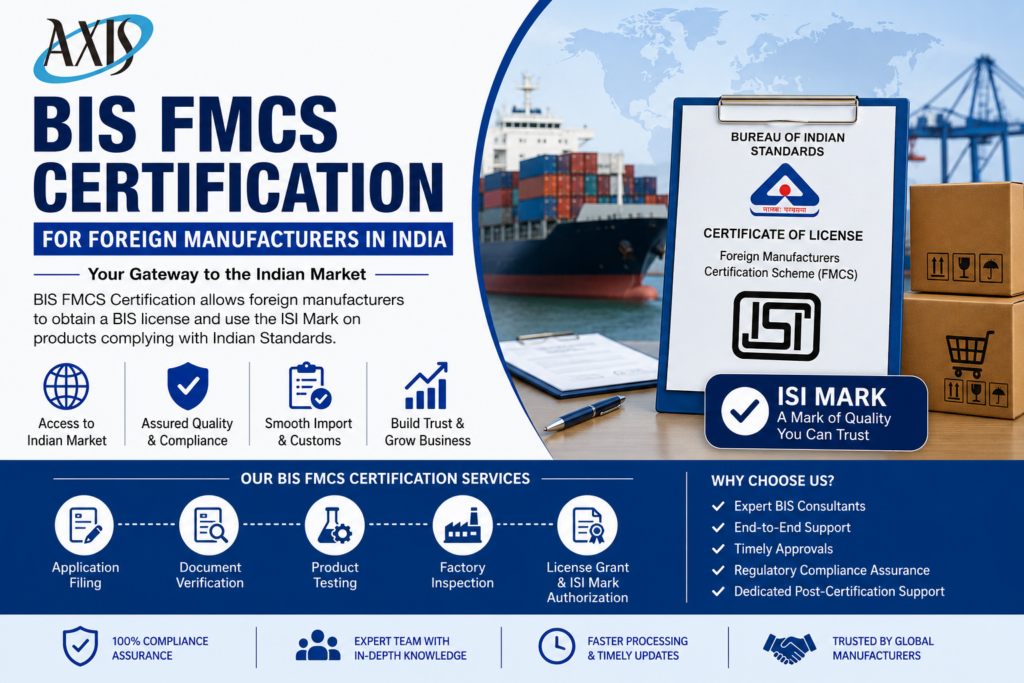
BIS FMCS Certification for Foreign Manufacturers in India

BIS FMCS Certification for Foreign Manufacturers in India

India is one of the largest consumer markets in the world, attracting manufacturers from across the globe. However, many products imported into India must comply with strict quality and safety regulations established by the Bureau of Indian Standards (BIS). For overseas manufacturers, obtaining BIS FMCS Certification for Foreign Manufacturers in India is often a mandatory

BIS FMCS Certification for Foreign Manufacturers in India Read More »

Battery Recycling Targets Under EPR in India

Battery Recycling Targets Under EPR in India

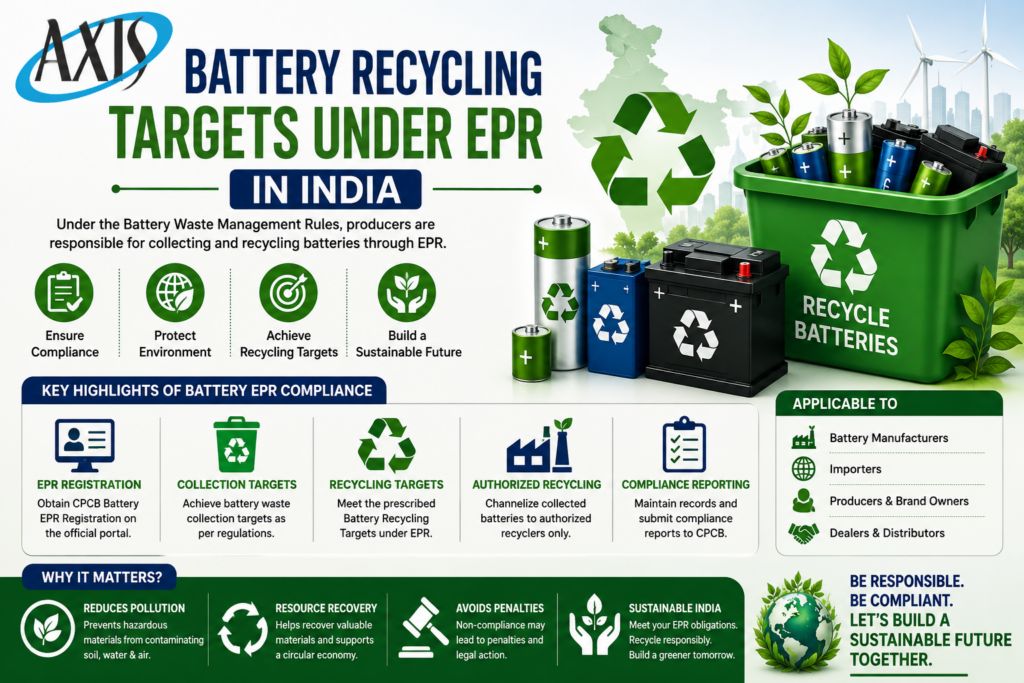
India is rapidly advancing toward a sustainable waste management ecosystem, and battery waste management has become a major regulatory focus. The introduction of Battery Recycling Targets Under EPR in India has created a structured framework for ensuring that battery producers take responsibility for the collection and recycling of batteries at the end of their life

Battery Recycling Targets Under EPR in India Read More »

BEE Certification for Appliances in India

BEE Certification for Appliances in India

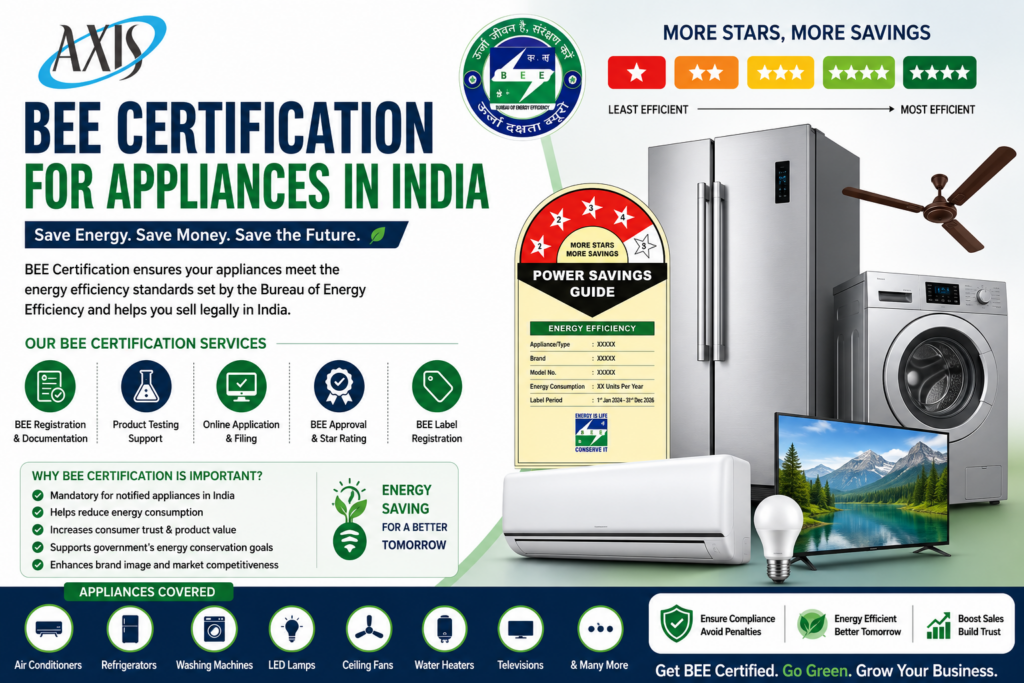
BEE Certification for Appliances in India is an important regulatory requirement for manufacturers and importers seeking to market energy-efficient appliances across the country. The Bureau of Energy Efficiency (BEE) has established a comprehensive labeling program that helps consumers identify products with lower energy consumption and higher performance standards. As energy conservation becomes a national priority,

BEE Certification for Appliances in India Read More »

Benefits of BIS Certification for Businesses in India

Benefits of BIS Certification for Businesses in India

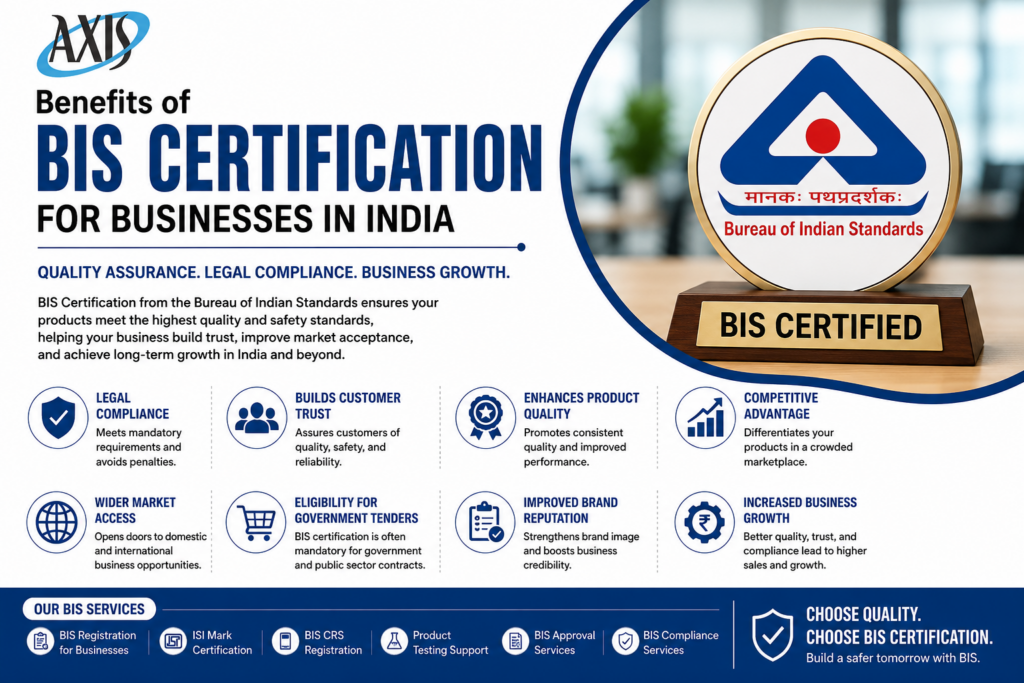
In an increasingly regulated marketplace, businesses must focus on quality, safety, and compliance to remain competitive. One of the most effective ways to achieve these objectives is through the Bureau of Indian Standards Certification. Understanding the Benefits of BIS Certification for Businesses in India can help organizations strengthen their reputation, gain customer trust, and meet

Benefits of BIS Certification for Businesses in India Read More »

CDSCO License for Medical Devices in India

CDSCO License for Medical Devices in India

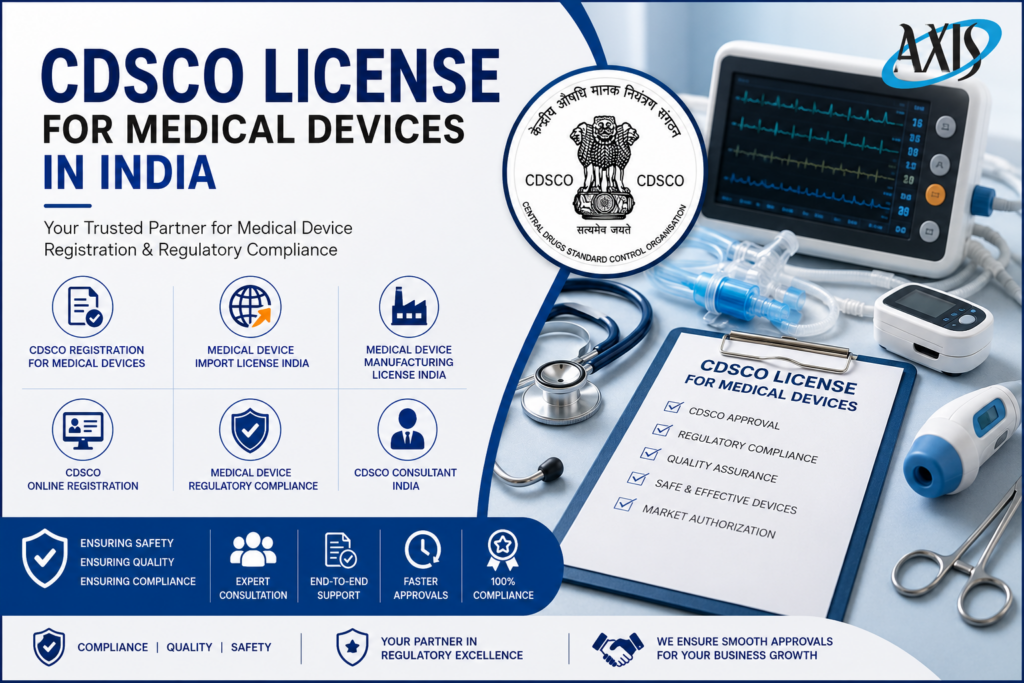
India’s healthcare and medical technology sector is witnessing unprecedented growth, creating significant opportunities for manufacturers and importers of medical devices. However, entering the Indian market requires strict compliance with regulatory standards established by the Central Drugs Standard Control Organization (CDSCO). Obtaining a CDSCO License for Medical Devices in India is one of the most important

CDSCO License for Medical Devices in India Read More »

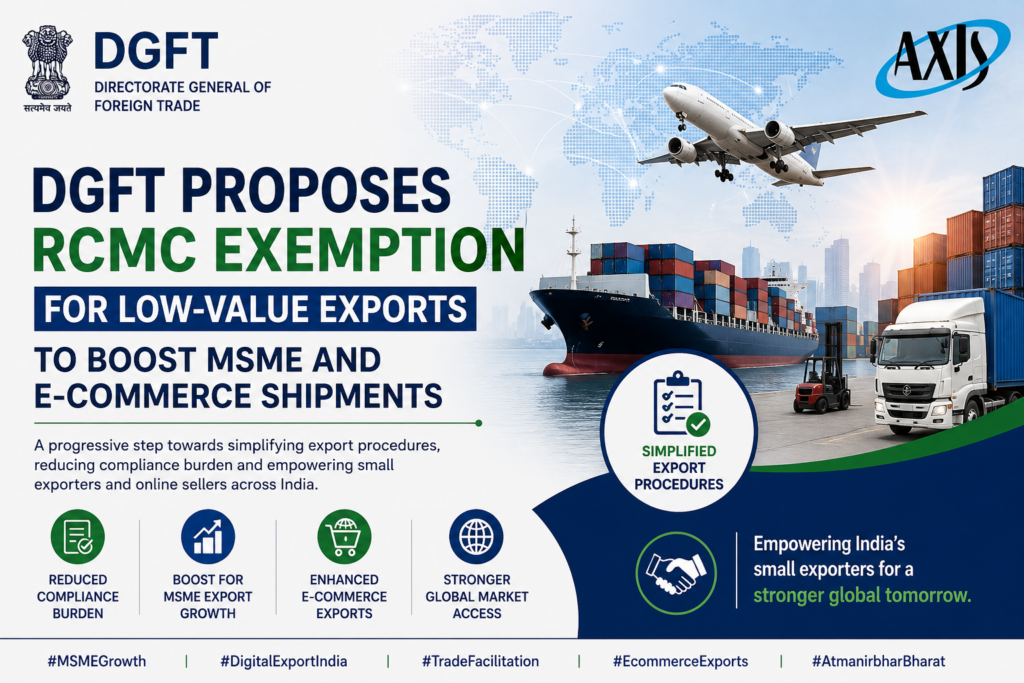
DGFT Proposes RCMC Exemption for Low-Value Exports to Boost MSME and E-Commerce Shipments

DGFT Proposes RCMC Exemption for Low-Value Exports to Boost MSME and E-Commerce Shipments

The Government of India continues to strengthen the country’s export ecosystem through policy reforms that support small businesses and digital trade. One of the most anticipated developments is that DGFT proposes RCMC exemption for low-value exports to boost MSME and E-Commerce Shipments. This proposal is expected to reduce compliance requirements for exporters handling small-value shipments

DGFT Proposes RCMC Exemption for Low-Value Exports to Boost MSME and E-Commerce Shipments Read More »

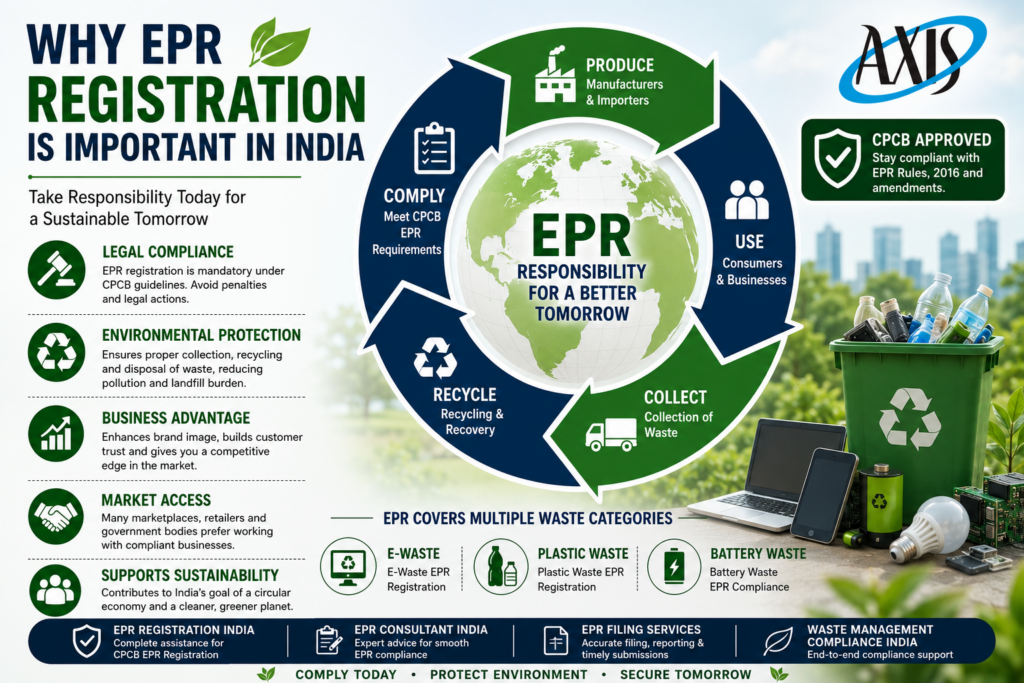
Why EPR Registration is Important in India

Why EPR Registration is Important in India

India is rapidly moving toward sustainable development and stricter environmental governance. As waste generation from plastics, electronics, and batteries continues to increase, businesses are expected to take responsibility for the end-of-life management of their products. This is where Why EPR Registration is Important in India becomes a critical consideration for manufacturers, importers, and brand owners.

Why EPR Registration is Important in India Read More »

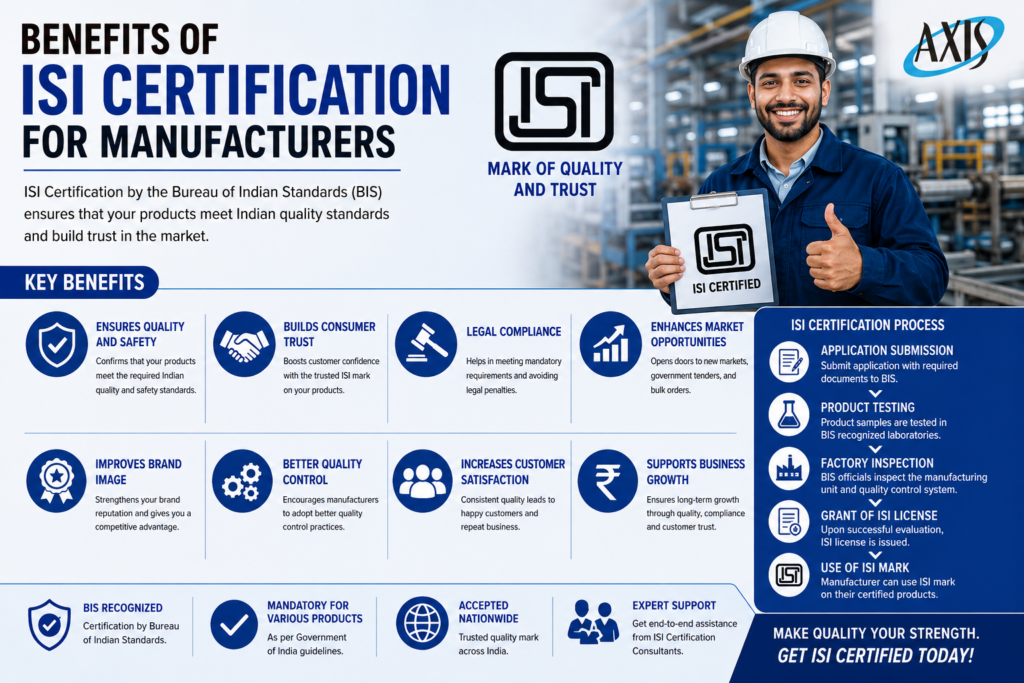
Benefits of ISI Certification for Manufacturers

Benefits of ISI Certification for Manufacturers

Manufacturing businesses in India must continuously meet quality expectations, safety requirements, and regulatory standards to remain competitive. One of the most recognized quality certifications in the country is ISI Mark Certification, issued by the Bureau of Indian Standards (BIS). The Benefits of ISI Certification for Manufacturers include improved product credibility, regulatory compliance, customer confidence, and

Benefits of ISI Certification for Manufacturers Read More »

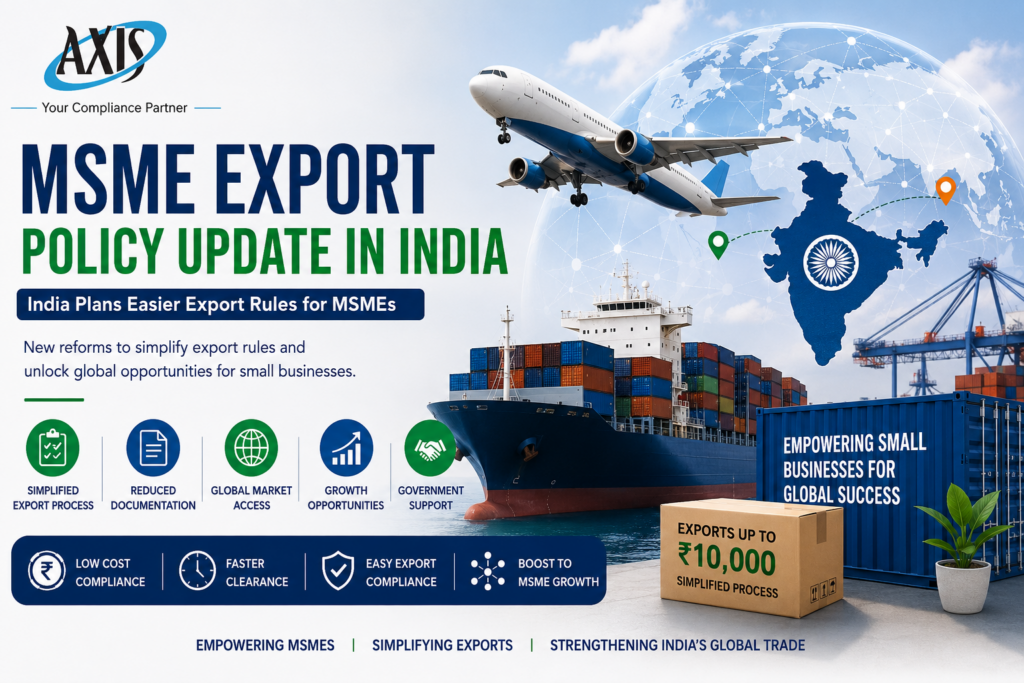
MSME Export Policy Update in India: New Opportunities for Small Exporters

MSME Export Policy Update in India: New Opportunities for Small Exporters

The latest MSME Export Policy Update in India marks a significant step toward strengthening India’s export ecosystem. With the government announcing that India plans easier export rules for MSMEs, small businesses can now access international markets with fewer procedural hurdles and improved support mechanisms. These reforms are designed to encourage MSME exports India, promote entrepreneurship,

MSME Export Policy Update in India: New Opportunities for Small Exporters Read More »