
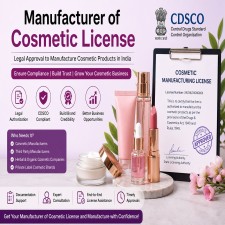
India’s beauty and cosmetic industry has become one of the fastest-growing sectors due to rising consumer demand for skincare, wellness, makeup, and personal care products. Whether you manufacture herbal cosmetics, organic skincare items, or beauty products, obtaining a valid manufacturer of cosmetic license is mandatory before entering the market.
The licensing process involves multiple regulatory requirements, technical documentation, and inspections. This is why many businesses seek professional support from a qualified Cosmetic License Consultant to ensure smooth approvals and compliance with Indian regulations.
In this detailed guide, we will explain the complete process for obtaining a manufacturer of cosmetic license, the role of CDSCO, required documents, business benefits, and how Indiaxis supports cosmetic brands with end-to-end compliance services.
What is a Manufacturer of Cosmetic License?
A manufacturer of cosmetic license is a legal approval issued to companies involved in manufacturing cosmetic products in India. The license is granted under the Drugs and Cosmetics Act, 1940 and related rules governing cosmetic production.
This approval ensures that the cosmetic products manufactured are safe, properly labeled, and produced in a compliant facility.
Products covered under cosmetic licensing include:
- Skin creams
- Hair oils
- Shampoo
- Soap
- Lipsticks
- Makeup products
- Face serums
- Body lotions
- Perfumes
- Beauty and wellness products
Without a valid manufacturer of cosmetic license, businesses cannot legally manufacture or distribute cosmetic products in India.
Why Manufacturer of Cosmetic License is Important
Obtaining a manufacturer of cosmetic license is essential for regulatory compliance and long-term business growth.
Key Benefits
- Legal authorization for cosmetic production
- Compliance with CDSCO regulations
- Improved brand reputation
- Better customer trust
- Access to national distribution networks
- Easier export opportunities
A valid CDSCO Certificate also helps businesses establish credibility with retailers, distributors, and e-commerce platforms.
Role of CDSCO in Cosmetic Regulation
The Central Drugs Standard Control Organization (CDSCO) regulates cosmetic manufacturing and ensures product safety across India.
CDSCO oversees:
- Product quality standards
- Ingredient safety
- Manufacturing practices
- Product labeling requirements
- Regulatory approvals
Working with a professional CDSCO Consultant helps businesses understand technical requirements and avoid licensing complications.
Many businesses prefer hiring a CDSCO Consultant in Delhi because Delhi has a strong network of regulatory experts and compliance professionals.
Businesses That Need a Manufacturer of Cosmetic License
The following entities require a manufacturer of cosmetic license:
- Cosmetic manufacturing companies
- Herbal cosmetic manufacturers
- Third-party cosmetic units
- Organic beauty product brands
- Contract manufacturers
- Private-label cosmetic businesses
Regardless of business size, compliance with licensing requirements is mandatory.
Documents Required for Cosmetic Manufacturing License
Preparing accurate documentation is one of the most important steps in the licensing process.
Common Documents Include
- Company incorporation documents
- Factory address proof
- Manufacturing unit layout plan
- Machinery details
- Technical staff qualification certificates
- Product ingredient details
- Testing facility information
- Water analysis reports
- Pollution control approvals
- Identity proof of directors or authorized signatories
Professional cdsco registration consultants help businesses prepare technically correct applications and reduce the chances of rejection.
Process to Obtain Manufacturer of Cosmetic License
Step 1: Company Registration
Register your company, LLP, or proprietorship legally.
Step 2: Manufacturing Facility Setup
Prepare the production facility according to regulatory standards.
Step 3: Documentation Preparation
Compile all legal and technical documents.
Step 4: Application Filing
Submit the application to the concerned authority.
Step 5: Inspection by Authorities
The manufacturing unit is inspected for compliance verification.
Step 6: License Approval
Once all requirements are fulfilled, the manufacturer of cosmetic license is granted.
An experienced cdsco license consultant can help businesses complete these steps efficiently.
Common Challenges in Cosmetic Licensing
Many businesses face delays because of:
- Incorrect documentation
- Non-compliant manufacturing setup
- Improper product labeling
- Missing technical staff
- Regulatory misunderstandings
A professional Cosmetic License Consultant can simplify the process and ensure better approval success.
Why Choose Indiaxis for Cosmetic Licensing?
Indiaxis provides complete compliance and licensing solutions for cosmetic manufacturers across India. Their experienced regulatory team offers:
- Cosmetic manufacturing license support
- CDSCO compliance consulting
- Documentation assistance
- Regulatory advisory services
- End-to-end approval management
As a trusted CDSCO Consultant in India, Indiaxis helps businesses reduce compliance risks and accelerate approvals.
Importance of CDSCO Registration Consultants
Professional cdsco registration consultants provide valuable support by helping businesses:
- Understand legal requirements
- Prepare compliant documentation
- Avoid regulatory errors
- Handle authority queries
- Reduce approval timelines
Their expertise becomes especially useful for startups entering the cosmetic manufacturing sector for the first time.
Future of Cosmetic Manufacturing in India
India’s cosmetic industry is expected to witness significant growth due to:
- Rising demand for skincare products
- Growth of herbal and organic cosmetics
- Increasing online cosmetic sales
- Expansion of beauty startups
- Higher consumer awareness
Businesses entering this competitive market must ensure complete regulatory compliance through a valid manufacturer of cosmetic license.
FAQs – Manufacturer of Cosmetic License
1. What is a manufacturer of cosmetic license?
It is a mandatory approval required for manufacturing cosmetic products legally in India.
2. Which authority issues cosmetic manufacturing licenses?
The State Licensing Authority issues licenses under CDSCO regulations.
3. Is CDSCO compliance necessary for cosmetic products?
Yes, cosmetic products must comply with CDSCO and Drugs & Cosmetics Act requirements.
4. Can startups apply for cosmetic manufacturing licenses?
Yes, startups can apply if they meet infrastructure and compliance requirements.
5. Why should businesses hire a CDSCO Consultant?
A consultant helps with documentation, compliance, and faster approvals.
6. What documents are required for cosmetic licensing?
Required documents include company registration, factory details, product information, and technical staff records.
7. What happens if cosmetic manufacturing is done without a license?
Businesses may face penalties, legal action, and product seizures.
8. How does Indiaxis help cosmetic manufacturers?
Indiaxis provides complete support for cosmetic licensing, CDSCO approvals, and regulatory compliance.