
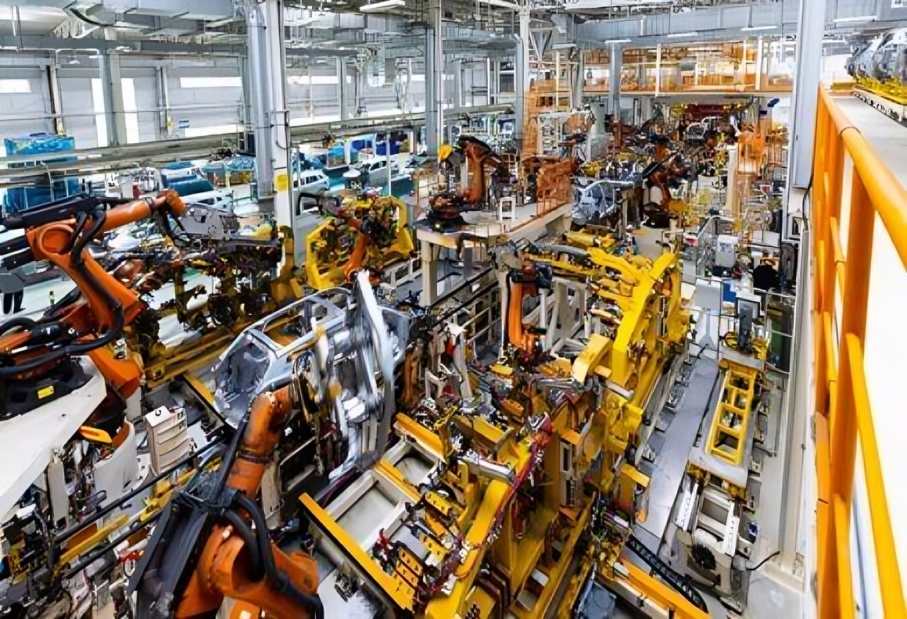
The Omnibus Technical Regulation (OTR) has brought about a transformation in India’s product compliance landscape. By focusing on machinery and electrical equipment, it closes long-standing gaps in safety standards and introduces strict obligations for stakeholders.
Strengthening Machinery & Electrical Equipment Safety
Industrial accidents and equipment malfunctions often result from substandard machinery. The OTR Omnibus Technical Regulation ensures that all equipment conforms to technical safety standards, reducing risks for workers, industries, and end consumers.
Role of BIS Certification and Scheme X
A cornerstone of the regulation is BIS Certification under BIS Scheme X. Unlike voluntary certifications, this scheme makes compliance mandatory. Whether for First Schedule machinery or imported products, manufacturers must prove adherence to Indian Standards through BIS licensing.
First Schedule Machinery: High-Risk Categories
The regulation specifically identifies First Schedule machinery, which includes equipment where failure can cause significant hazards. These products undergo rigorous BIS Conformity Assessment Regulations, covering safety testing, component verification, and ongoing market surveillance.
Extension of Compliance Deadline: A Relief for Industry
While the regulation is critical, compliance can be complex. Recognizing this, the government offered an extension of compliance deadline, giving companies time to adapt. This move balanced safety priorities with industry readiness.
Manufacturers & Importers Obligations under OTR
Both domestic producers and foreign importers must:
- Obtain BIS Certification for their machinery.
- Ensure that all components and sub-assemblies meet prescribed standards.
- Maintain compliance records and submit periodic reports.
- Cooperate with regulatory audits and inspections.
BIS Conformity Assessment Regulations in Action
The BIS Conformity Assessment Regulations ensure ongoing compliance. Factories, imports, and supply chains are monitored regularly, preventing low-quality products from bypassing rules. This adds accountability across the entire ecosystem of machinery production and trade.
Technical Safety Standards: A Global Alignment
By enforcing the Omnibus Technical Regulation, India aligns its domestic standards with international safety benchmarks. This boosts confidence in Indian exports, ensures consumer protection, and helps the country reduce dependence on non-compliant imports.
Conclusion
The Omnibus Technical Regulation is not just a compliance rule—it is a game changer. By making BIS Certification and Scheme X mandatory for First Schedule machinery and their components and sub-assemblies, it places clear obligations on manufacturers and importers. With proper implementation, this framework strengthens India’s industrial safety ecosystem and ensures that only high-quality machinery reaches the market.