
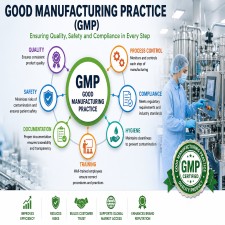
Manufacturing industries today face increasing pressure to deliver safe, high-quality, and compliant products to customers worldwide. Whether in pharmaceuticals, food processing, cosmetics, medical devices, or industrial manufacturing, businesses must follow strict operational standards to remain competitive. This is where Good Manufacturing Practice plays a critical role.
By implementing structured quality systems, manufacturers can reduce operational risks, improve efficiency, and maintain compliance with regulatory authorities. Many Indian businesses seek expert assistance from organizations such as Indiaxis to simplify certification and compliance management processes.
This comprehensive guide explains the importance of Good Manufacturing Practice (GMP), the certification process, key benefits, and why GMP standards are essential for modern manufacturing industries.
What is Good Manufacturing Practice?
Good Manufacturing Practice refers to a set of procedures and operational controls designed to ensure products are consistently manufactured according to predefined quality standards.
The main objective of Good Manufacturing Practice (GMP) is to prevent manufacturing errors that may affect product safety, effectiveness, or quality. Unlike final product testing, GMP focuses on controlling the entire production process from raw material sourcing to packaging and distribution.
The system helps prevent:
- Product contamination
- Incorrect labeling
- Equipment failures
- Process deviations
- Cross-contamination
- Quality inconsistencies
Organizations implementing strong GMP compliance systems can significantly improve product reliability and customer satisfaction.
Importance of GMP Standards
The importance of maintaining GMP standards has grown rapidly due to globalization, export regulations, and rising consumer expectations.
Product Quality Improvement
GMP systems help manufacturers produce consistent and reliable products.
Consumer Safety Protection
Quality controls reduce the risk of harmful or defective products entering the market.
Regulatory Compliance
Companies following approved GMP guidelines can meet government and international regulatory requirements more effectively.
Better Operational Efficiency
Standardized processes reduce waste, errors, and production delays.
International Market Opportunities
Many overseas buyers require valid GMP certification before approving suppliers.
Key Principles of GMP Guidelines
Successful implementation of GMP guidelines requires organizations to establish strong quality control systems throughout manufacturing operations.
1. Proper Documentation
Every manufacturing activity should be documented for transparency and traceability.
2. Employee Training
Workers must understand hygiene protocols, operational procedures, and compliance requirements.
3. Equipment Maintenance
Machines should be regularly inspected, cleaned, and calibrated.
4. Clean Production Environment
Facilities must maintain sanitation and contamination control measures.
5. Quality Control Procedures
Products should undergo testing and inspection at various stages of production.
6. Safe Material Handling
Raw materials and finished goods must be stored and transported properly.
GMP Certification in India
The demand for GMP certification in India continues to rise as Indian manufacturers expand their presence in international markets. Regulatory agencies increasingly emphasize product safety, quality assurance, and process consistency.
Obtaining GMP certification demonstrates that a company follows recognized manufacturing standards and quality management systems.
Industries commonly requiring GMP certification include:
- Pharmaceuticals
- Food manufacturing
- Cosmetics
- Nutraceuticals
- Medical devices
- Herbal products
- Biotechnology
- Chemical manufacturing
Professional GMP certification services help organizations manage documentation, inspections, audits, and certification procedures more efficiently.
Understanding the GMP Process
The GMP process involves multiple stages that help organizations establish and maintain compliant manufacturing systems.
Gap Analysis
A detailed assessment identifies compliance gaps and operational weaknesses.
Documentation Development
Companies prepare SOPs, quality manuals, and process records.
Training Programs
Employees receive training on GMP policies and operational controls.
Infrastructure Upgrades
Manufacturing facilities are improved to meet GMP requirements.
Internal Audits
Organizations conduct internal inspections before official assessments.
Certification Audit
An authorized certification body evaluates the company’s systems and processes.
GMP Approval
Successful organizations receive formal GMP approval certification.
Working with an experienced GMP consultant can simplify the implementation process and improve audit readiness.
Benefits of GMP Certification
Implementing Good Manufacturing Practice systems offers numerous business advantages.
Enhanced Product Quality
GMP systems help maintain consistent production quality across all batches.
Increased Customer Confidence
Certified businesses gain greater trust from consumers and clients.
Improved Regulatory Compliance
Companies can reduce the risk of penalties, recalls, and compliance violations.
Stronger Brand Reputation
A GMP-certified organization demonstrates commitment to quality and safety.
Better Export Opportunities
International markets often prefer suppliers with recognized GMP certifications.
Reduced Operational Risks
Standardized procedures minimize production errors and process failures.
Role of a GMP Consultant
Implementing GMP systems can be challenging for organizations without regulatory expertise. A professional GMP consultant provides technical guidance and compliance support throughout the certification process.
Consultants assist businesses with:
- Documentation preparation
- Facility inspections
- Employee training
- Internal audits
- Compliance gap analysis
- Certification coordination
Using expert GMP certification services helps organizations save time and reduce certification complications.
Common Challenges in GMP Compliance
Although GMP systems offer major benefits, businesses may encounter several implementation challenges:
- High documentation workload
- Infrastructure investment requirements
- Employee resistance to procedural changes
- Regulatory complexity
- Continuous quality monitoring
- Audit preparedness
Proper planning and expert guidance can help organizations overcome these challenges effectively.
Future of Good Manufacturing Practice in India
India’s manufacturing sector is growing rapidly across pharmaceuticals, food processing, electronics, and healthcare industries. As global quality expectations increase, maintaining strong GMP compliance systems becomes more important than ever.
Modern technologies such as automation, digital quality management systems, and AI-based monitoring tools are transforming GMP implementation practices.
Companies investing in advanced GMP standards today will gain long-term advantages in operational efficiency, export growth, and customer trust.
Why GMP Approval Matters
Obtaining GMP approval demonstrates that a business is committed to maintaining quality manufacturing systems. Certification not only supports regulatory compliance but also enhances business credibility in competitive markets.
Organizations with GMP-certified facilities often experience:
- Higher customer retention
- Better supplier relationships
- Easier regulatory inspections
- Increased export opportunities
- Improved operational consistency
As industries continue evolving, GMP compliance will remain a fundamental requirement for sustainable manufacturing growth.
Conclusion
Implementing Good Manufacturing Practice is essential for organizations seeking product quality, regulatory compliance, and long-term business success. GMP systems help manufacturers improve operational efficiency, maintain safety standards, and strengthen customer confidence.
From pharmaceuticals to food processing and industrial manufacturing, businesses across India are recognizing the importance of structured GMP guidelines and certification systems.
Companies pursuing GMP certification in India can benefit greatly from professional consultancy support and well-planned implementation strategies. By following internationally recognized GMP standards, manufacturers can position themselves for future growth in domestic and global markets.
FAQs
1. What is Good Manufacturing Practice?
Good Manufacturing Practice is a quality system that ensures products are consistently manufactured according to approved standards.
2. Why is GMP certification important?
GMP certification improves product quality, ensures regulatory compliance, and builds customer trust.
3. Which industries require GMP compliance?
Industries such as pharmaceuticals, food, cosmetics, medical devices, and biotechnology commonly require GMP compliance.
4. What are GMP guidelines?
GMP guidelines include standards related to hygiene, documentation, quality control, equipment maintenance, and employee training.
5. What is the GMP process?
The GMP process includes gap analysis, documentation, employee training, audits, inspections, and certification approval.
6. What does a GMP consultant do?
A GMP consultant helps businesses implement quality systems and prepare for certification audits.
7. What are the benefits of GMP certification services?
These services simplify compliance management, improve audit readiness, and reduce certification delays.
8. Is GMP certification in India mandatory?
Certain manufacturing industries require mandatory GMP compliance based on applicable regulations and product categories.